
Top 10 Outstanding Events in the Real Estate Sector 2024
2024-12-30

The year 2024 is considered a transitional period between two cycles of the real estate market (2013 - 2023 and 2024 - 2034). Although the post-downturn recovery rate has been slow, the market has gradually moved in a healthy and professional direction; supply, liquidity, and transactions have improved, most notably in the apartment segment.
Many drivers for a more pronounced transformation have taken shape, most notably a complete legal framework along with strong, timely policies from the National Assembly and the Government, creating an important foundation for the 2025 real estate market to operate with confidence and grow sustainably in the new cycle.
Let us look back at the prominent events in the real estate sector for 2024, selected by Reatimes and experts from the Vietnam Real Estate Research Institute.
*******
THREE "BACKBONE" LAWS TAKE EFFECT
Starting from August 1, 2024, three important legal codes, considered the "backbone" of the real estate market—namely the Land Law, the Housing Law, and the Real Estate Business Law (amended)—officially took effect.
The simultaneous enforcement of this trio of laws 5 months ahead of schedule has established a new, comprehensive legal framework, helping to untangle many "bottlenecks" in the market, given that 70% to 80% of existing obstacles stem from legal issues. Inadequate land valuation methods, an unprofessional market, a lack of clear information regarding projects, brokers, or investors, and the lack of official recognition for various real estate types have been barriers causing numerous difficulties and inconsistencies in development and management over past years.
The perspective of this legal revision is to unify institutional regulations related to land use, eliminating overlapping and contradictory conditions among laws, thereby ensuring that investment activities and the utilization of land resources are clear, transparent, and efficient. Consequently, as these 3 laws come into effect early, the real estate market will possess a solid legal foundation to develop in a safe, healthy, sustainable, and professional manner.
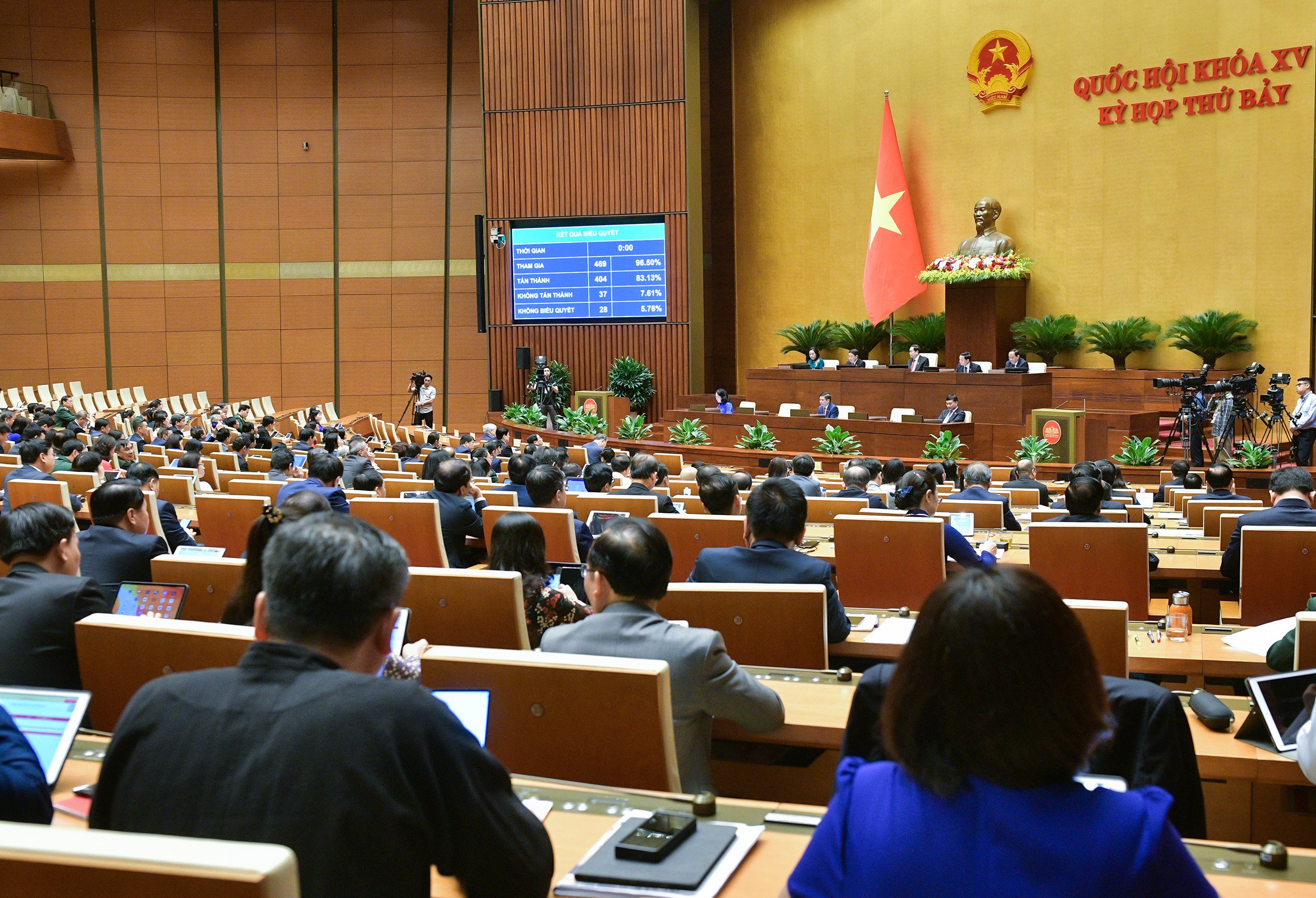
As the real estate market enters a new cycle following a prolonged sluggish period, the comprehensive completion of the legal framework serves as a driving force to restore and reinforce confidence, encouraging investors and businesses to return to the market and operate in a more professional, healthy, and sustainable direction.
PROMOTING THE COMBAT AGAINST LAND RESOURCE WASTE
Wastefulness in land use has been a serious reality taking place over many years. It is not difficult to encounter "hung" projects, delayed projects, and more seriously, abandoned urban areas or "ghost urban areas" in any locality across the country.
This situation not only causes resource waste and budget loss, seriously affecting the real estate market, but also holds back the socio-economic development of the country.
Particularly, as Vietnam stands before a historical opportunity to enter a new era—the nation's rising era, the waste of land resources will increase challenges and erode opportunities. Therefore, in 2024, the prevention and combat of wastefulness, including the waste of land resources, has been set as one of the urgent requirements and tasks that cannot be delayed.
In the article "Combating Wastefulness", General Secretary Tô Lâm affirmed: "To seize opportunities, push back challenges, strongly increase resources to care for the people and enrich the country in the new revolutionary period, and build a better future, the prevention and combat of wastefulness must be deployed decisively and synchronously with effective solutions, creating a strong spreading effect...". The General Secretary determined that the struggle against wastefulness is a fierce and complex battle against "internal invaders"..., "holding a position equivalent to the prevention and combat of corruption and negativity".
On November 6, 2024, the Prime Minister issued Official Dispatch No. 112/CĐ-TTg requesting ministries, sectors, and localities to focus on decisively resolving backlog and suspended construction projects, urgently deploying, completing, and putting them into use to prevent waste and loss.
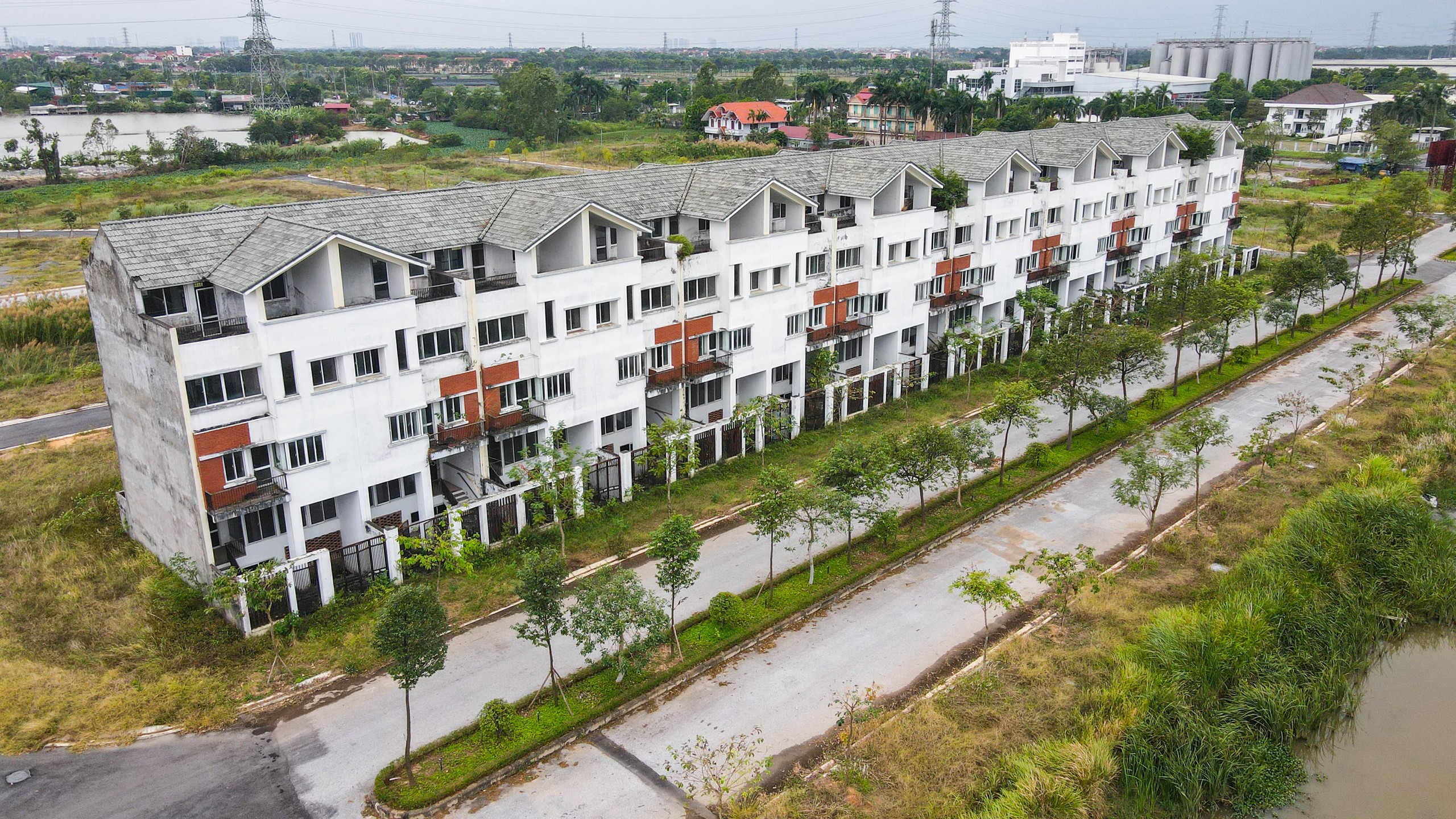
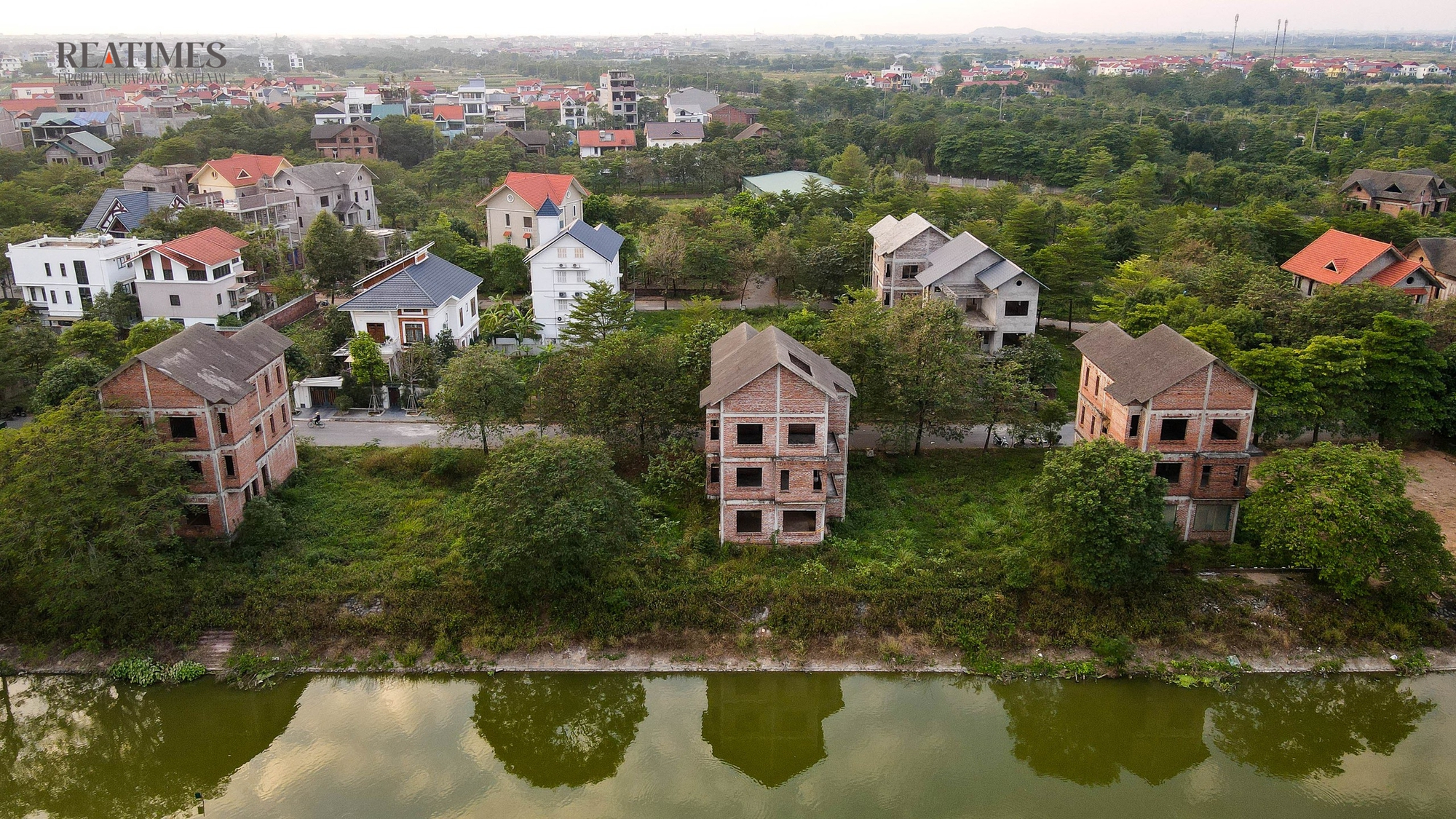
From guiding ideology and policies to actions in combating waste, including the aforementioned waste of land resources, it demonstrates the high determination and consistency of the entire political system. This not only helps enhance resources for the country to enter a new era of victory, but also creates a positive impact, helping the real estate market develop transparently, professionally, and sustainably.
03
MANY STRONG POLICY DECISIONS FOR THE REAL ESTATE MARKET
With the determination to promote the rapid recovery of the real estate market and uphold its role as a crucial locomotive of the economy, the National Assembly, the Government, ministries, sectors, and localities have strongly demonstrated their roles in management and market support.
Right from the beginning of the year, the Prime Minister's Working Group on reviewing, urging, and guiding the removal of difficulties in implementing real estate projects for localities and enterprises organized numerous meetings, chaired by Deputy Prime Minister Trần Hồng Hà, leaders of the Ministry of Construction, and local leaders. The Working Group also directly visited various localities to grasp the situation, direct, and propose solutions for resolution.
Since then, numerous policy decisions for the real estate market have been issued, such as Resolution 161/2024/QH15 of the National Assembly on "continuously enhancing the effectiveness and efficiency of implementing policies and laws on real estate market management and social housing development." Accordingly, the National Assembly requested the Government to strengthen monitoring, research, and forecasting to promptly introduce regulatory solutions, contributing to a stable and healthy real estate market. Another example is Resolution No. 171/2024/QH15 on "piloting the implementation of commercial housing projects through agreements on acquiring land use rights or currently holding land use rights." Assessments indicate that this Resolution has created exceptionally favorable conditions for numerous projects to expand into agricultural land and non-agricultural land other than residential land when negotiating land use rights agreements for commercial housing development. This, in turn, helps improve housing supply - which is currently extremely scarce in the market.
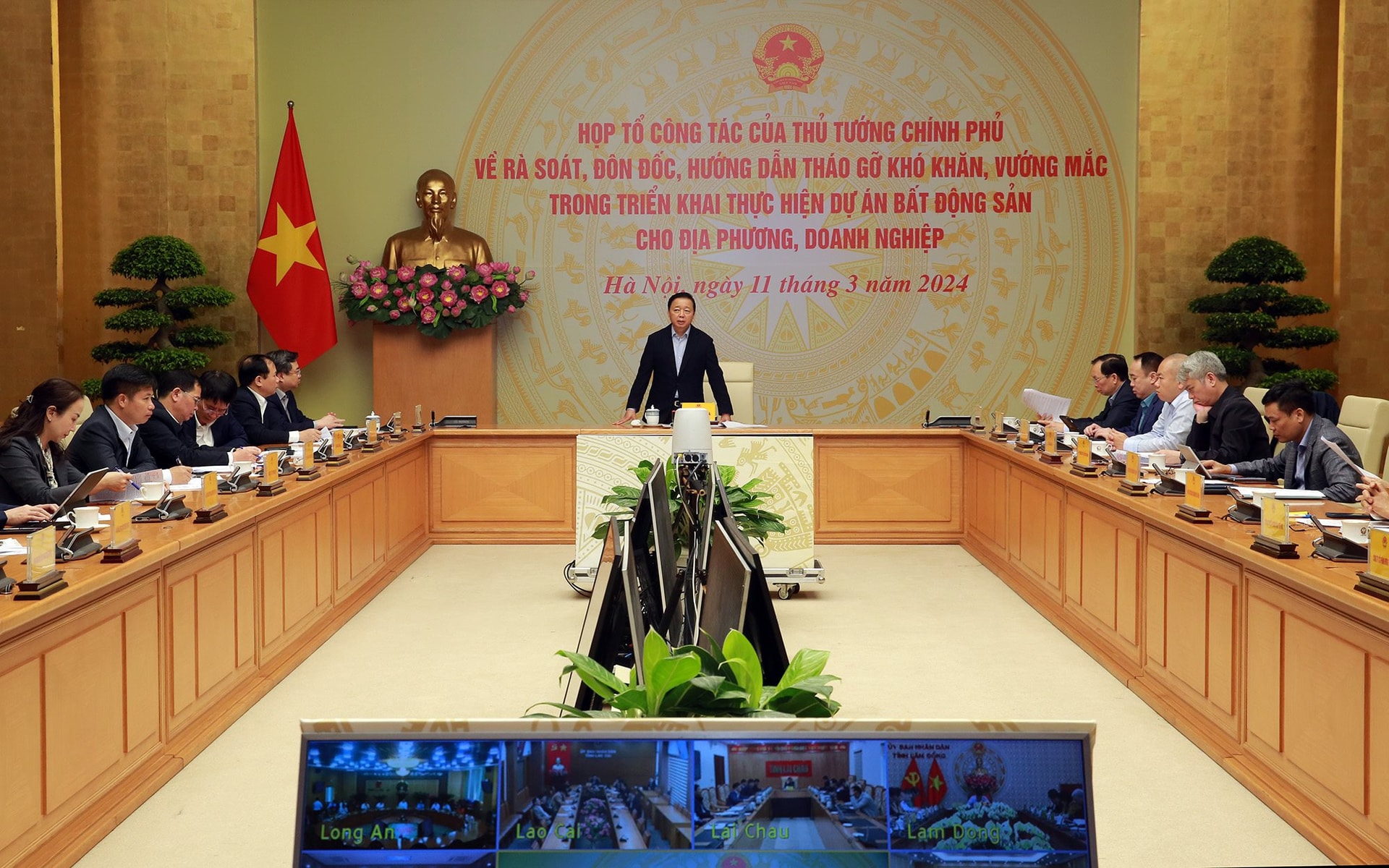
The Government also issued Official Dispatch No. 79 on organizing the effective implementation of the Land Law, Housing Law, and Real Estate Business Law; and Official Dispatch No. 82 on promptly rectifying land use right auctions…, directing ministries, sectors, and localities to swiftly implement the 2024 Land Law and address existing issues and obstacles arising during enforcement.
Throughout 2024, to facilitate real estate businesses in accessing low-cost capital and improving investment cash flow, the Government repeatedly requested the State Bank of Vietnam to maintain a low interest rate environment. In reality, lending interest rates decreased by about 3.26 percentage points in the first 10 months of 2024 compared to the end of 2022.
04
VIETNAM REAL ESTATE ASSOCIATION ACTIVELY AND EFFECTIVELY CRITIQUES POLICIES
The year 2024 continues to be a year where the Vietnam Real Estate Association (VNREA) clearly demonstrates its role in social criticism, while serving as a reliable pillar for the business community. With the mission of accompanying, listening, and sharing, VNREA constantly strives to find solutions and propose the removal of "bottlenecks", contributing to the creation of a safe, healthy, and sustainable real estate business environment.
A clear testimony to these efforts is the practical activities implemented by the Association, prominent among which are policy consulting, appraisal, and criticism work. The Association has proactively participated in contributing feedback for amendments, proposing numerous contents to help improve the system of legal normative documents on real estate right from the drafting stage. Through close coordination with the business community and state management agencies, the Association has contributed practical opinions, advising the Government on policies for the real estate market in an accurate, reasonable, and effective manner. Many enthusiastic opinions and recommendations of the Association have been incorporated into laws and legal normative documents.
At the same time, the Association is regularly trusted by the National Assembly, the Government, central and local agencies to appoint personnel to participate in Drafting Committees and Working Groups for building and perfecting laws. On that basis, the Association has appointed qualified and competent officers to participate in the Drafting Committee and Editorial Team of the Urban Development Management Law Project, the Urban and Rural Planning Law; the Drafting Committee and Editorial Team of Decrees guiding the Real Estate Business Law, the Bidding Law; participating in the Appraisal Council for draft Decrees on land use fees, land rentals, and Circulars on real estate valuation standards... Dr. Nguyễn Văn Khôi, Chairman of the Association, directly participates in the Advisory Council for Administrative Procedure Reform of the Prime Minister.
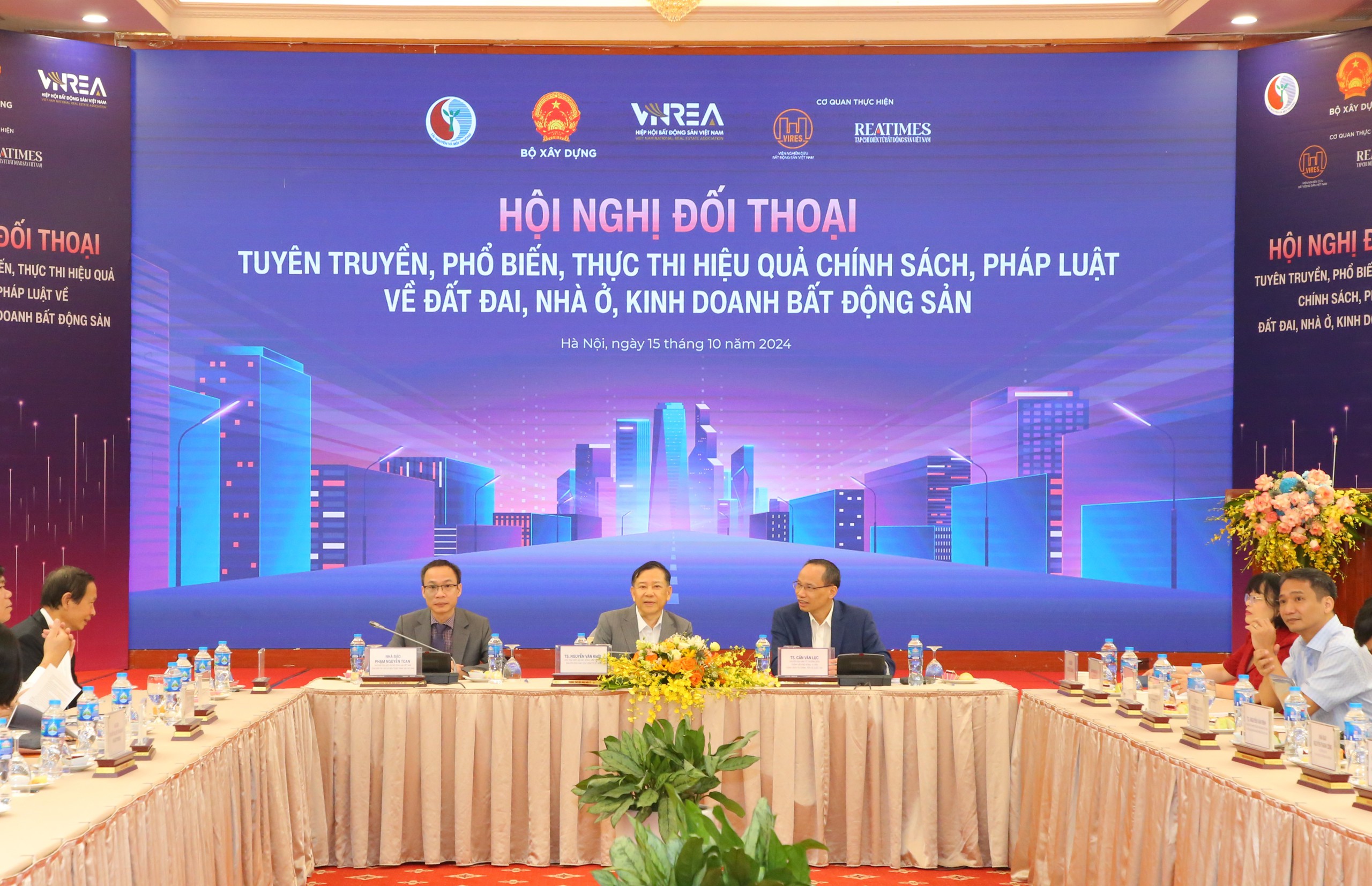

In its regular activities, the Vietnam Real Estate Association proactively organizes numerous conferences and seminars to create open forums for its members and affiliates to connect, exchange information, and propose solutions to urgent market issues. A prominent event was the dialogue conference on understanding and applying the Land Law, Housing Law, Real Estate Business Law (amended), and guiding documents into the practical operations of real estate enterprises, which took place on October 15. Through these activities, VNREA has been making significant contributions to creating an equal and transparent environment, facilitating the stable and sustainable development of the real estate market.
05
LIQUIDITY RECOVERS, TRANSACTIONS IMPROVE
If the real estate market "hit rock bottom" throughout the period from late 2022 to early 2023 and remained truly challenged in the second half of 2023, by early 2024, the market had recorded many positive shifts.
Driven by economic growth, attractive interest rate levels, and synchronously designed key laws taking effect early…, the real estate market has witnessed investment cash flows gradually returning in search of products that meet real housing demand and have clear legal status. This has helped market liquidity rise, thereby establishing transactions.
Supply has grown strongly with an increasing number of large-scale projects launched for sale toward the end of the year, yet it still falls short and remains weak compared to the market's actual housing demand—with an estimated increase in demand of 1 million housing units per year in urban areas.
At the end of 2024, the real estate market recorded approximately 56,000 products offered on the primary market, equivalent to the end of 2023 as many projects successfully cleared large inventories amid the market recovery.
For the full year of 2024, the entire market recorded nearly 81,000 products offered for sale, an increase of 50% compared to 2023. Among these, there were 65,376 new products offered for sale, about 3 times higher than in 2023, but still only equal to about 7% of 2024—the year before the pandemic occurred.
In the fourth quarter of 2024 alone, the market recorded 28,000 new products offered for sale, twice as much as the previous quarter and 4 times the same period in 2023.
Transaction volumes continued to grow steadily as supply improved both in quantity and quality. The demand for real estate, including both for living and investment, is very high and constantly increasing alongside the pace of urbanization and economic development, built on a foundation of a perfected legal framework.
For the full year of 2024, the entire market recorded more than 47,000 successful transactions, equivalent to an absorption rate of 72%. Transaction volume in 2024 was nearly 3 times higher than in 2023.
In the fourth quarter, the market recorded more than 20,000 transactions, nearly 4 times the same period in 2023. The apartment segment dominated market share, accounting for 75% of total market transactions. New projects achieved very good absorption rates, reaching over 70%. Notably, many projects recorded absorption rates of up to over 90% right at their official launch. More than 50% of primary transactions came from investment demand, which included a certain amount of speculation.
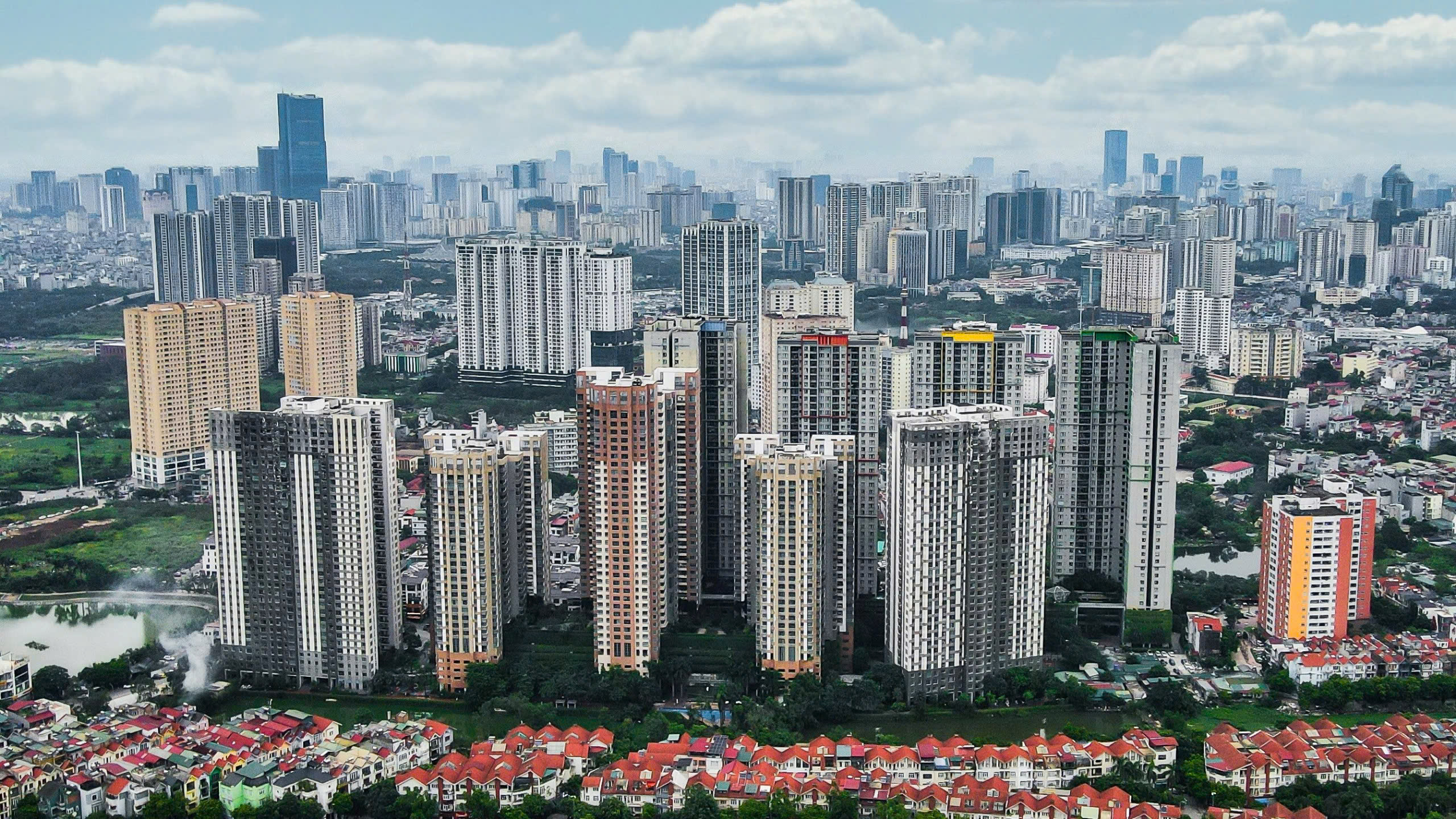
Along with improving liquidity and transactions, 2024 also witnessed good news as many localities such as Ho Chi Minh City, Binh Dinh, Binh Duong... made significant progress in resolving legal issues for projects. For example, Ho Chi Minh City successfully resolved legal bottlenecks for 8 real estate projects, most notably The Metropole Thủ Thiêm, Celadon City, Metro Star, Lotte Eco Smart City Thủ Thiêm... With many projects unblocked, market supply and transactions promise an even stronger recovery in the near future.
06
SHARP INCREASE IN HOUSING PRICES
In 2024, housing prices maintained an upward trend, continuously setting new price benchmarks, especially in Hanoi. Right in the first quarter, the average primary apartment price in Hanoi reached 56 million VND/m2, an increase of 5% quarter-on-quarter and 19% year-on-year. Prices in the secondary market also recorded the highest year-on-year increase ever, rising by 17% over the same period to reach an average of over 36 million VND/m22.
In the following quarters, Hanoi apartment prices continued to surge. By the end of the third quarter, the Hanoi primary market had no projects left with prices under 60 million VND/m2. Social housing units that have been in use for nearly a decade also recorded an increase of 25 - 30% compared to the end of 2023.
Overall for 2024, the entire market recorded nearly 10,000 apartment products priced at 80 million VND/m2 or higher, a more than 3-fold increase compared to the same period in 20233.
The recent scarcity of housing supply in the mid-range and affordable segments has contributed to driving up selling prices in existing projects. As housing-related costs tend to increase and account for an increasingly large proportion of urban residents' total income, housing demand—which is an essential need—is increasingly becoming a "luxury"…
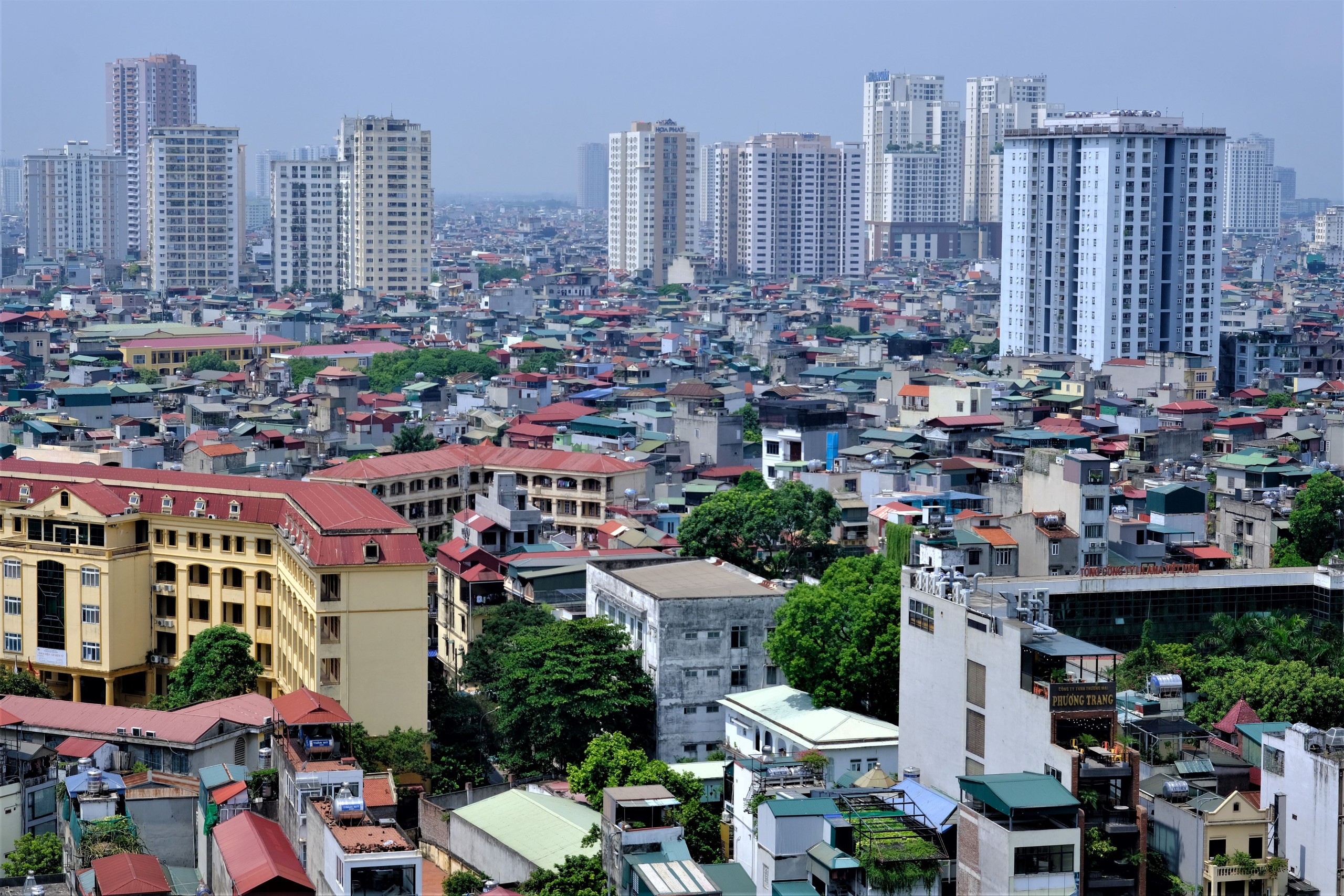
This situation shows that the housing market in major cities is showing signs of imbalanced and unsustainable development, resulting in the failure to meet the most basic needs of the people as set out in social security objectives.
Instead of being defined by quality, the segments (luxury, mid-range, affordable) of the housing market are being determined based on price levels. More concerningly, in projects previously known as "affordable," prices have now been pushed up multiple times, even for older projects.
This means urban residents are paying an exorbitant price for housing. Not to mention that the quality of the apartments and projects does not truly correspond to the financial investment made by home buyers.
07
LAND AUCTIONS SURGE WITH RECORD-BREAKING WINNING BIDS
The year 2024 witnessed vibrant land auction activities, especially in the suburban areas of Hanoi. A notable point is not only the large number of auction sessions organized, but also the immense interest from numerous investors and winning bid prices that were much higher than the starting prices.
The auction session on July 28 in Dan Phuong district had only 85 land plots but attracted up to 1,250 application dossiers. The winning auction results were also recorded at a high level of up to 99.2 million VND/m2, more than double the starting price. In Thanh Oai district, the auction session for 68 land plots on August 10 also attracted a very large number of investors. The starting price of the plots ranged from only 8.6 - 12.5 million VND/m2, but the highest winning auction result reached up to 100.5 million VND/m2, nearly 9 times the starting price.
In Hoai Duc district, the auction session on August 19 - 20 was considered "setting many records" as it lasted for nearly 20 hours, from 8:00 AM on August 19 to the early morning of August 20. The winning bid level was also recorded as the highest ever, more than 18 times the starting price for plot LK03-12 with an area of 113m2.
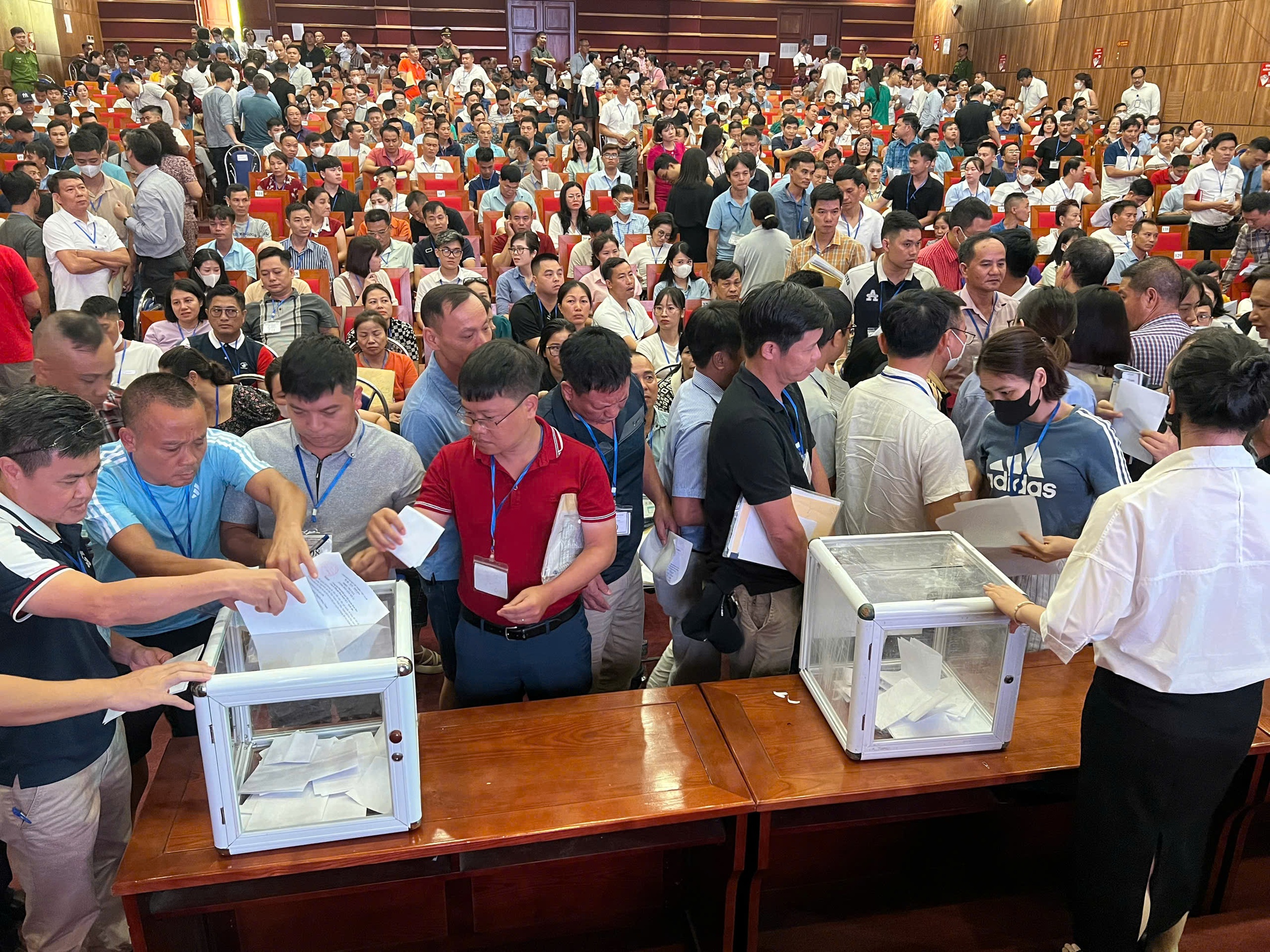
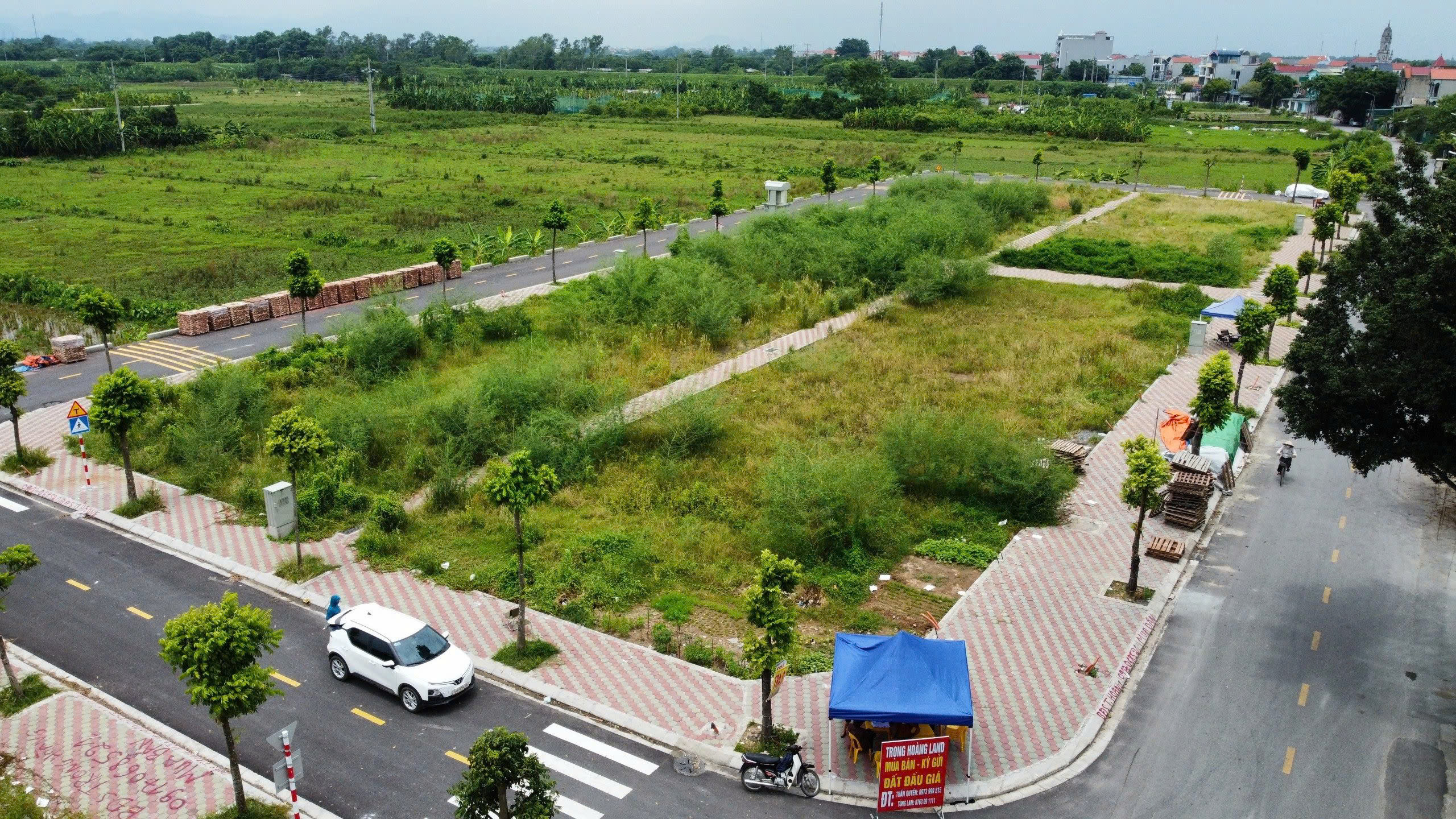
The reality of soaring land auctions with record-breaking winning prices not only reflects the sharply increased demand from investors for land plots with complete legal status, but also raises many questions about price inflation and the creation of artificial price levels in the market. This is because, unusually, alongside the surging winning bids, the rate of people forfeiting their deposits after winning the auction has been equally high.
To promptly rectify land auction activities, the Prime Minister issued Official Dispatch No. 82/CĐ-TTg and Official Dispatch 134/CĐ-TTg, requesting the Chairpersons of the People's Committees of provinces and centrally run cities to direct functional agencies and units to review the organization of land use right auctions in their localities to ensure compliance with the law, openness, and transparency; promptly detect and strictly handle violations of legal regulations in land use right auctions, and prevent acts of taking advantage of land use rights auctions for profiteering and causing market distortion. The Hanoi People's Committee has also repeatedly intervened to investigate and rectify the control of land auction activities in the area.
08
NEW LAND PRICE LIST AND CONCERNS
According to the 2024 Land Law, while waiting for the first land price list to be announced and applied from January 1, 2026, the land price list issued under the 2013 Land Law will continue to be applied until December 31, 2025. When necessary, provincial-level People's Committees are permitted to adjust the currently applied land price list to suit the actual local land price situation.
On this basis, many localities across the country have recently researched, gathered opinions, and adjusted their land price lists, including Hanoi and Ho Chi Minh City. Adjusting the land price list to approach market prices has caused the revised land prices in most localities to be much higher than the old land price list.
In Hanoi, according to the adjusted land price list announced on December 20, land prices in Thanh Tri district increased by an average of 190%. Following Thanh Tri are Gia Lâm, Dong Anh, Ba Vi districts... The adjusted land price list of Ho Chi Minh City, effective from October 31, also recorded much higher prices than the old land price list. On three central streets of Ho Chi Minh City, the highest price reached 687 million VND/m2.
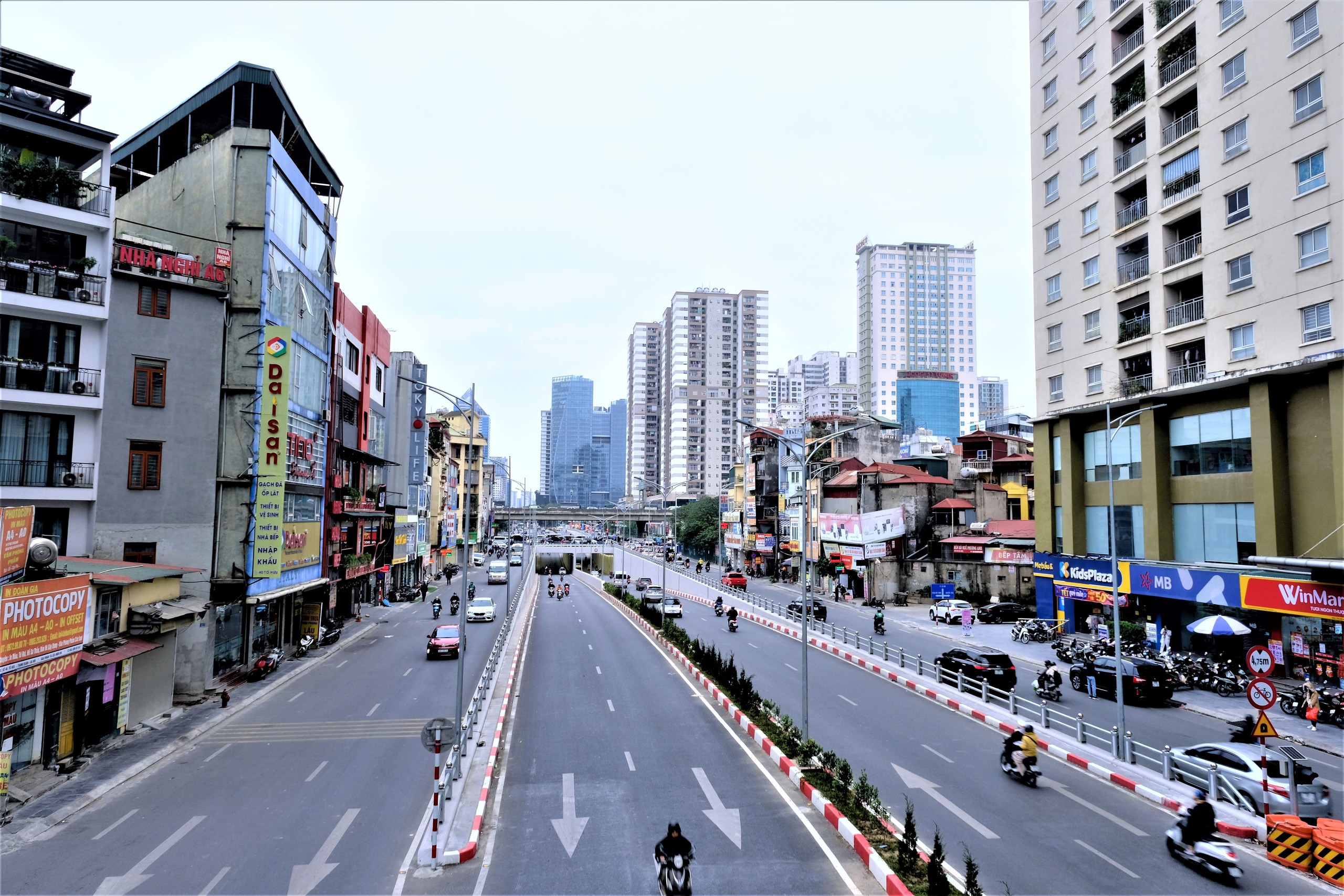
Adjusting the land price list to closely reflect market prices is expected to turn land into a more powerful development resource. When the State allocates land for project implementation, businesses will contribute more, generating larger revenues for the state budget. At the same time, a higher land price list will ensure that citizens receive fair compensation when their land is subject to acquisition, minimizing inadequacies in site clearance—a pressing issue that has persisted for a long time.
However, a high land price list also means increased costs for citizens when calculating taxes, fees, and other financial obligations, especially when converting land use purposes to residential land. This not only places a financial burden on citizens but also drives up real estate prices, distorting the market and making it even more difficult for people to access housing.
For businesses, higher land prices will cause project input costs to increase correspondingly, further pushing up housing prices. In the context of housing prices increasingly moving beyond the affordability of citizens, further price increases caused by higher land prices will have an even more negative impact on the goal of securing stable housing.
09
STRONG INFLUX OF FOREIGN CAPITAL
As of the end of November, the real estate sector continued to rank second in attracting FDI capital with 5.63 billion USD, an increase of 89.1% over the same period4. This is also the highest growth rate since 2019.
This demonstrates that Vietnam's real estate remains an attractive market in the eyes of foreign investors. With significant growth potential, abundant labor resources, rapid urbanization, a favorable investment environment, open incentive policies, and especially stable economic growth, Vietnam maintains competitive advantages that help it retain its position as one of the most attractive destinations welcoming the 4th wave of FDI.

As foreign direct investment (FDI) inflows into Vietnam surge, the real estate market is also given a "boost" for vibrant development, most notably in the industrial real estate segment. The wave of investment from foreign "giants" with a series of large-scale projects, especially in processing, manufacturing, and high-tech sectors, will create favorable conditions for industrial land rental prices to increase and occupancy rates to remain high. Accordingly, industrial zone land prices experienced steady growth of 5 - 10% in 2024; occupancy rates maintained at 84% in the Northern region and 93% in the Southern region5.
FDI capital is assessed as one of the important factors contributing to accelerating the recovery rate of the real estate market after a long period of downturn. However, "channeling" the cash flow into the right segment and ensuring investment efficiency remains a challenging problem to solve.
10
SOCIAL HOUSING DEVELOPMENT FAILS TO MEET TARGETS
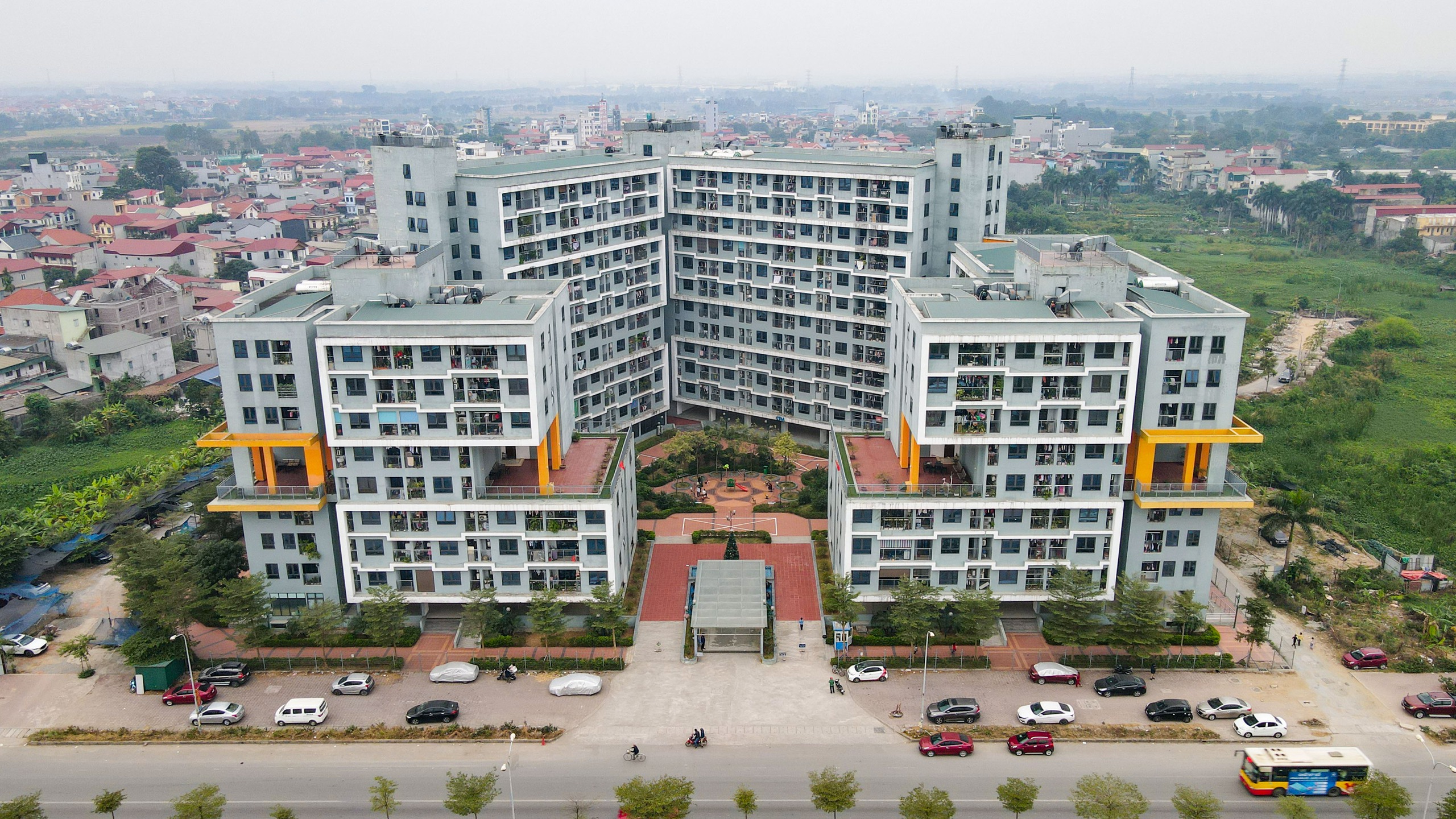
Although since 2023, the social housing segment has once again received attention and promotion with many businesses registering to participate in development, raising expectations for supply improvement in 2024, in reality, the 2024 social housing supply has not yet seen significant progress and failed to achieve the set targets.
The Ministry of Construction stated that the whole country set a target to develop 130,000 units in 2024 but only completed 21,000 units, equivalent to more than 16% of the plan. Among them, Hanoi and Ho Chi Minh City lead in construction targets, but so far the progress has only reached 37% and 21% respectively. Throughout the year, the two largest cities in the country only had 1 rental social housing project granted a construction license.
The disbursement of the 120,000 billion VND preferential credit package for social housing and worker housing loans has also been implemented very slowly. According to the Ministry of Construction, to date, only 36 out of 63 provinces and cities have issued documents and announced projects eligible for preferential loans on the electronic information portal. Among them, only 16 projects have signed loan credit contracts with a total committed credit limit of 4,200 billion VND, and outstanding debt is 1,727 billion VND.
Unattractive profits, increasing input costs, and lengthy social housing development procedures have kept this segment from truly appealing to investors./.
__________
[1] Report by the Vietnam Association of Realtors
[2] Report by research firm CBRE
[3] Report by the Vietnam Association of Realtors
[4] Data from the Foreign Investment Agency (Ministry of Planning and Investment)
[5] Shinhan Securities
source: retimes.vn